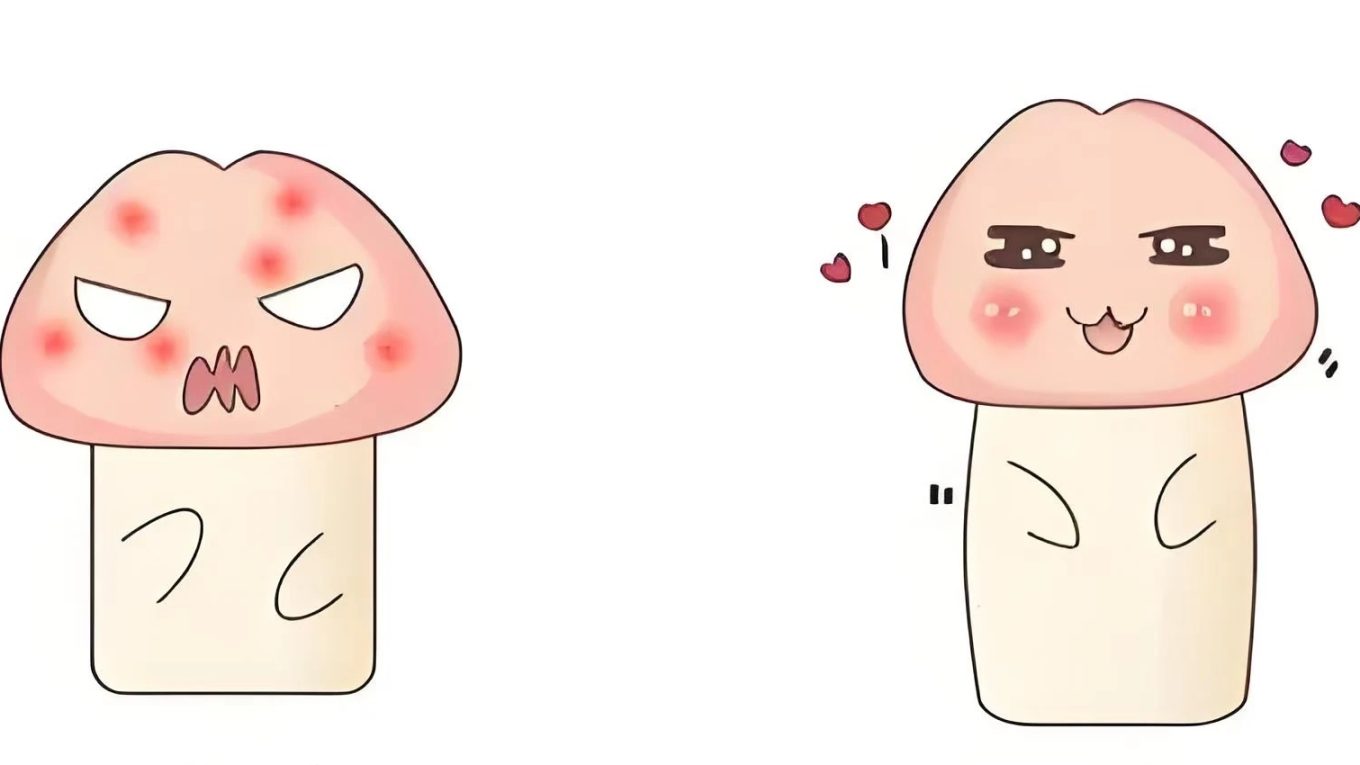
Itchy Down There? What’s Causing It and How to Get Relief
It’s one of those things you don’t talk about at dinner.
But when it happens — an itch on your penis that won’t go away — it’s all you can think about. It’s uncomfortable, distracting, and honestly pretty stressful. You find yourself wondering: Is this normal? Is it an STD? Should I see a doctor?
Penile itching is extremely common. In fact, it’s one of the most frequent reasons men visit urologists and dermatologists. Most causes are straightforward and treatable. But some require medical attention — and knowing the difference matters.
Let’s break down what’s actually causing that itch, what you can do about it at home, and when it’s time to see a professional.
🔍 What’s Causing the Itch?
Penile itching can originate from the glans (head), shaft, foreskin, or the skin around the base. The cause determines the treatment — so let’s go through the most common culprits:
1. Poor Hygiene or Over-Cleaning
This is the double-edged sword of genital care. Not cleaning enough allows sweat, dead skin, and natural oils to accumulate — especially under the foreskin — creating an environment where bacteria and fungi thrive.
But over-cleaning is equally problematic. Using harsh soaps, scrubbing aggressively, or washing multiple times a day strips away natural oils and damages the skin barrier, causing irritation and itching.
The solution: Wash once daily with warm water and mild, unscented soap. Pat dry — don’t rub. That’s it.
2. Balanitis (Glans Inflammation)
Balanitis is inflammation of the glans, often caused by:
- 🦠 Yeast infection (candida) — causes redness, itching, and a white discharge under the foreskin
- 🦠 Bacterial infection — often accompanied by pain, swelling, and sometimes pus
- 🧴 Allergic reaction — to soaps, condoms, laundry detergent, or lubricants
- 🧴 Skin conditions — eczema, psoriasis, or lichen planus can affect the penis
Balanitis is more common in uncircumcised men because the warm, moist environment under the foreskin encourages microbial growth. A 2019 study in Journal of the European Academy of Dermatology found that balanitis affects up to 11% of men attending urology clinics.
3. Fungal Infections (Jock Itch)
Tinea cruris, commonly called “jock itch,” is a fungal infection of the groin. It typically causes:
- 🔴 A red, ring-shaped rash with a defined border
- 🔴 Intense itching, especially after sweating
- 🔴 Possible spreading to the inner thighs and buttocks
Jock itch thrives in warm, moist environments. Athletes, men who sweat heavily, and those who wear tight clothing are at higher risk. Over-the-counter antifungal creams (clotrimazole, miconazole) usually clear it in 2–4 weeks.
4. Contact Dermatitis
Your penis skin is some of the most sensitive skin on your body. Contact dermatitis occurs when something touches your skin and triggers an allergic or irritant reaction. Common triggers:
- 🧴 Latex condoms
- 🧴 Spermicides (nonoxynol-9)
- 🧴 Scented soaps, body washes, or bubble baths
- 🧴 Laundry detergent residue on underwear
- 🧴 Lubricants or massage oils
- 🧴 Feminine hygiene products (if partner uses them)
The itch usually appears within hours to days of exposure. Removing the irritant and using a mild hydrocortisone cream typically resolves it within a week.
5. Sexually Transmitted Infections
Several STIs can cause penile itching:
- 🚨 Genital herpes — often starts with tingling/itching, followed by painful blisters
- 🚨 Genital warts (HPV) — flesh-colored bumps that may itch
- 🚨 Trichomoniasis — can cause itching inside the urethra plus discharge
- 🚨 Chlamydia/Gonorrhea — usually cause discharge and burning urination, but sometimes itching
If you’re sexually active (especially with new or multiple partners), STI testing is essential when penile itching appears.
6. Dry Skin and Eczema
Just like the skin on your hands or face, penile skin can become dry and irritated — especially in winter, after hot showers, or from harsh soaps. Eczema (atopic dermatitis) can affect the penis, causing dry, itchy, red patches.
7. Pubic Lice (“Crabs”)
Tiny parasites that attach to pubic hair and cause intense itching, especially at night. They’re transmitted through sexual contact or rarely through shared towels/bedding. Visible nits (eggs) may be seen attached to hair shafts.
8. Psoriasis
Genital psoriasis affects up to 63% of people with psoriasis. It appears as smooth, red patches (not the scaly plaques seen elsewhere) and can be intensely itchy. It’s not contagious and requires specific treatment.
✅ What You Can Do at Home
1. Improve Your Hygiene Routine
- 🚿 Wash once daily with warm water and mild, unscented soap
- 🚿 If uncircumcised, gently retract the foreskin and clean underneath
- 🚿 Pat dry thoroughly — moisture encourages fungal growth
- 🚿 Avoid harsh scrubbing or antibacterial soaps
2. Change Your Underwear
- 👕 Wear loose, breathable cotton underwear
- 👕 Change underwear daily — or more often if you sweat heavily
- 👕 Avoid tight compression shorts or synthetic fabrics
- 👕 Consider sleeping without underwear to allow air circulation
3. Use Over-the-Counter Treatments
- 💊 Antifungal cream (clotrimazole, miconazole) — for suspected yeast or jock itch
- 💊 Hydrocortisone 1% — for contact dermatitis or eczema (use for no more than 1 week on genital skin)
- 💊 Anti-itch cream (pramoxine) — for temporary relief while healing
4. Eliminate Potential Irritants
- 🚫 Switch to unscented laundry detergent
- 🚫 Avoid scented soaps, body washes, and lotions
- 🚫 Use latex-free condoms if you suspect latex allergy
- 🚫 Avoid spermicide-lubricated condoms
5. Practice Safe Sex
- 🛡️ Use condoms with new or casual partners
- 🛡️ Get tested regularly if sexually active with multiple partners
- 🛡️ Avoid sex until any active infection or rash has healed
🚨 When to See a Doctor
Make an appointment with a urologist or dermatologist if:
- 🚨 Itching persists more than 1 week despite home treatment
- 🚨 You have discharge, pain, or burning during urination
- 🚨 You notice sores, blisters, or unusual growths
- 🚨 The skin becomes swollen, hot, or increasingly red
- 🚨 You’ve had unprotected sex with a new partner
- 🚨 You have diabetes (infections are more common and harder to treat)
- 🚨 The itch recurs frequently (could indicate chronic skin condition)
Don’t be embarrassed — doctors see this constantly. Untreated infections can worsen and spread. It’s always better to get checked than to suffer in silence.
💡 Prevention: Staying Itch-Free
- ✅ Shower daily, especially after sweating
- ✅ Dry thoroughly after bathing
- ✅ Wear breathable cotton underwear
- ✅ Change out of wet or sweaty clothing promptly
- ✅ Use mild, unscented products on your body
- ✅ Avoid tight clothing for long periods
- ✅ Use protection with new partners
- ✅ Get tested regularly if sexually active
- ✅ If uncircumcised, retract and clean under the foreskin daily
The Bottom Line
Penile itching is usually not a sign of something serious — but it’s not something you should ignore either. Most cases are caused by simple irritations, hygiene issues, or minor infections that respond well to basic treatment.
The key is: if it’s not improving after a week of home care, or if you have other symptoms like discharge, sores, or pain — see a doctor. Your penis deserves proper care, and there’s no shame in seeking help.
An itch is information.
Your body is telling you something.
Pay attention. Then do something about it.
Have you dealt with persistent itching? What worked for you? Share below — your experience might help someone else who’s struggling right now. 💬